


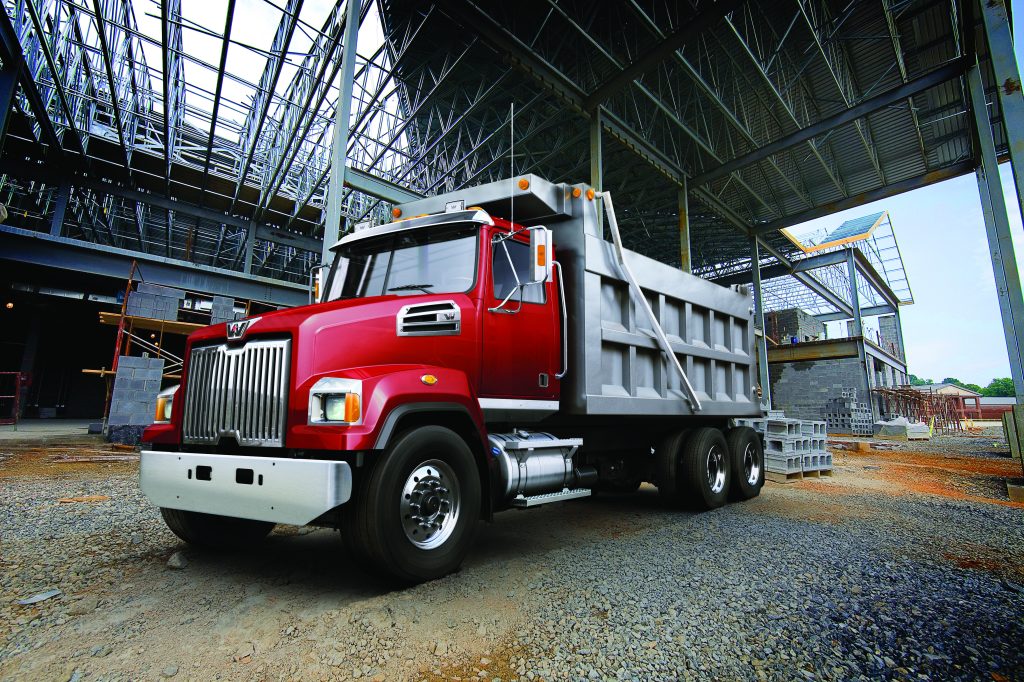
5 Ways a New Commercial Truck Can Lower Your Cost Per Mile
When most people shop for a new truck, the first number they look at is the purchase price. While that’s certainly important, it’s only one piece of the puzzle.
The number that really affects your bottom line is cost per mile, the total amount it costs to operate your truck every mile it travels. Fuel, maintenance, repairs, tires, insurance, downtime, and even lost productivity all play a role.
If you’re driving an older truck, replacing it may reduce your operating costs more than you think. Here are five ways a newer truck can help.
1. Better Fuel Efficiency
Fuel is one of the largest expenses for any trucking operation. Even a modest improvement in fuel economy can add up over thousands of miles each year.
Today’s commercial trucks benefit from more efficient engines, improved aerodynamics, and optimized technology that helps the engine operate more efficiently under a variety of conditions.
For a truck running tens of thousands of miles annually, saving even a small amount of fuel per mile can translate into thousands of dollars over the life of the vehicle.
2. Lower Repair and Maintenance Costs
Every truck will need maintenance. The difference is how often unexpected repairs happen.
As trucks age, components naturally wear out. What starts as an occasional repair can eventually become a steady stream of shop visits that interrupt your schedule and increase operating costs.
A newer truck typically requires fewer major repairs during its early years. Routine maintenance is more predictable, making it easier to budget while reducing the likelihood of expensive breakdowns.
3. Less Downtime Means More Revenue
A truck that isn’t moving isn’t making money.
Unexpected breakdowns don’t just create repair bills, they can lead to missed deliveries, unhappy customers, rental equipment expenses, and lost business opportunities.
Newer trucks generally spend more time on the road and less time waiting for repairs. Greater reliability means more opportunities to keep freight moving and revenue coming in.
4. Warranty Coverage Can Protect Your Budget
One of the biggest advantages of purchasing a new truck is factory warranty coverage.
While warranties don’t eliminate routine maintenance, they can significantly reduce the financial impact of covered component failures during the warranty period. Instead of facing an unexpected repair bill, many covered repairs may cost little or nothing out of pocket.
For businesses trying to manage cash flow, that added predictability can be just as valuable as the repair itself.
5. Improved Driver Comfort and Safety
It’s easy to think of driver comfort as a luxury, but it can have a real impact on your operation.
Modern commercial trucks often include improved seating, quieter cabs, better visibility, advanced safety technology, and more intuitive controls. A more comfortable driver experiences less fatigue throughout the day, while safety features such as back up cameras, collision mitigation systems and lane departure warnings can help reduce the risk of incidents.
A truck that’s easier and more enjoyable to drive can also make it easier to retain experienced drivers in today’s competitive market.
Looking Beyond the Sticker Price
Buying a truck is an investment, not just an expense.
The lowest purchase price won’t always result in the lowest operating cost. When you factor in fuel savings, fewer repairs, warranty protection, improved uptime, and increased reliability, a newer truck may cost less to own over its service life than an older truck that’s constantly demanding repairs.
If you’ve been considering upgrading your fleet, now may be the perfect time to compare your current operating costs with what’s available today. The right truck isn’t just one that fits your budget, it’s one that helps your business become more profitable every mile it travels.
Frequently Asked Questions
What is "cost per mile"?
Cost per mile is the total cost of operating a truck divided by the number of miles it travels. It includes expenses such as fuel, maintenance, repairs, tires, insurance, licensing, depreciation, and other operating costs.
Will a new truck always cost less to operate?
Not necessarily. Every operation is different, but newer trucks often reduce operating costs through improved fuel efficiency, fewer unexpected repairs, warranty coverage, and increased uptime.
How often should I replace a commercial truck?
There isn’t a single mileage or age that fits every business. Replacement timing depends on annual mileage, maintenance history, repair costs, and whether the truck is still meeting your operational needs. Many fleet owners begin evaluating replacement when repair costs and downtime start increasing significantly.
Does preventive maintenance still matter on a new truck?
Absolutely. Following the manufacturer’s maintenance schedule is one of the best ways to maximize reliability, protect warranty coverage, and extend the life of your truck.
How can I tell if it's time to upgrade?
A few signs include increasing repair bills, more frequent breakdowns, declining fuel economy, excessive downtime, and repair costs that are beginning to approach the cost of replacing the vehicle. Running the numbers often provides a clearer answer than looking at purchase price alone.
Don’t Miss a Thing
Sign up for our email updates to receive tips, special promotions, and the latest industry news from The Truck Shop, your trusted work truck dealer in the Northwest.